Fish Filleting Knives for Precision and Ease
Fish cutting knives are indispensable for anyone preparing fish. They present a range of options, from pliable to stiff blades, tailored for various filleting needs. The ideal blade length and material can greatly impact the simplicity and precision. Grasping these factors is fundamental for both novices and veteran cooks. Yet, many are unaware of the nuances that can elevate their filleting skills. What aspects should one think about when selecting the perfect knife?
Fish Filleting Knife Types and Properties
Fish filleting knives are available in different types, each designed to improve the precision and simplicity of the filleting procedure. Common types include flexible, stiff, and electric filleting knives. Bendable knives have a flexible blade, allowing for detailed cuts and smooth division of the flesh from the bone. Stiff blades, on the other hand, offer more control for larger fish, rendering it easier to handle tough skin and bones. Electric filleting knives accelerate the procedure, cutting through fish with minimal effort, ideal for those filleting multiple fish at once.
Additionally, the blade materials vary, with stainless steel as a preferred choice for its corrosion resistance and durability. Features such as user-friendly grips and non-slip grips improve safety and comfort during use. Each type and feature is made to accommodate different skill levels and requirements, ensuring that both novice and experienced anglers can achieve excellent results while filleting their catch.
Steps to Select the Appropriate Blade Length for Filleting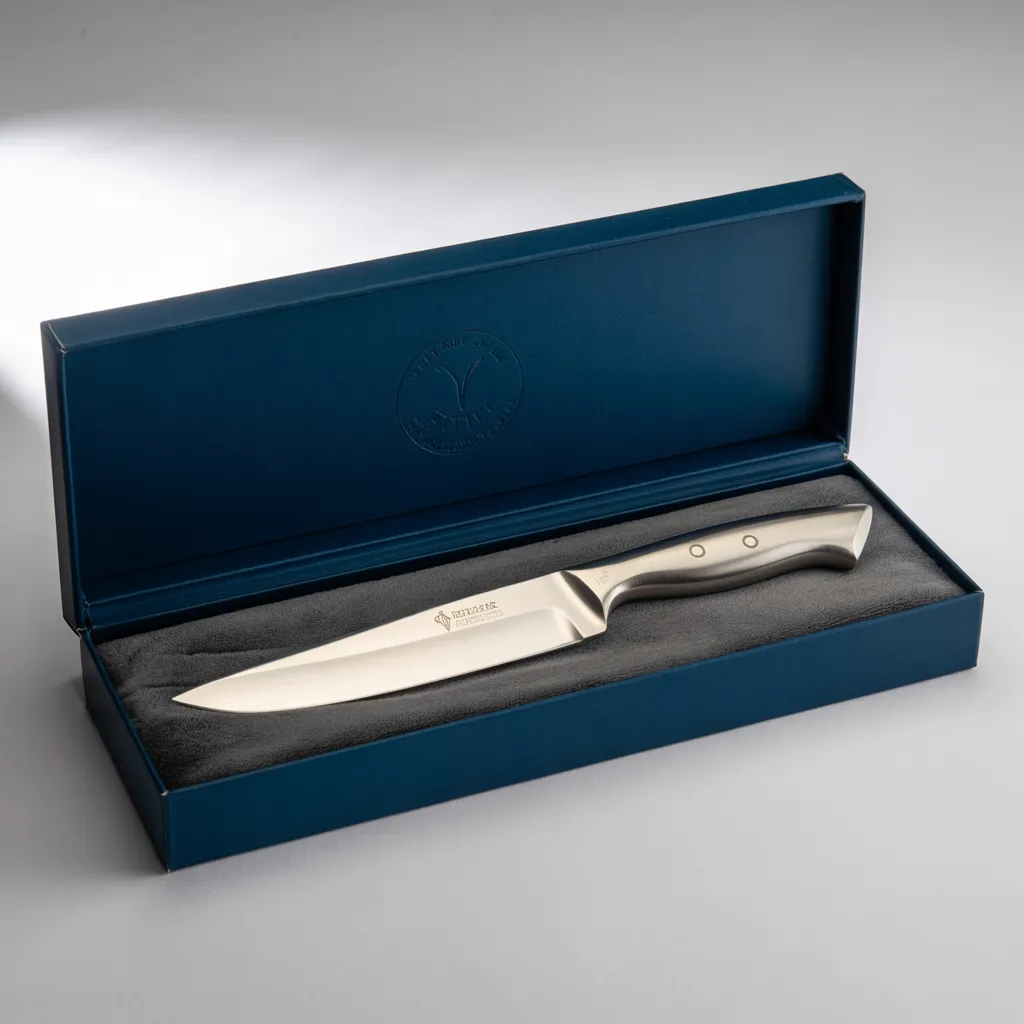
Determining the suitable blade length for filleting is crucial for attaining precise cuts and ideal results. Typically, the blade length should correspond to the size of the fish being processed. For smaller species like trout or perch, a blade length of 6 to 7 inches is often sufficient, allowing for maneuverability and control. Conversely, larger fish such as salmon or tuna benefit from longer blades, typically ranging from 8 to 10 inches.
Using a lengthier blade facilitates clean, sweeping cuts along the fish’s body, minimizing the risk of damaging its flesh. Furthermore, the blade’s pliability plays a vital role; a more flexible blade adjusts better to the fish’s contours, enhancing both precision and usability. Ultimately, having the right blade length combined with bendability guarantees effective filleting, simplifying the job and yielding better results.
Best Choices for Fish Filleting Knives
When considering the best materials for fish filleting knives, the choice of blade makeup greatly impacts performance. High-carbon stainless steel is frequently favored for its superior edge durability and resistance to rust, making it ideal for wet environments. This material achieves a harmony between durability and keenness, enabling for precise cuts.
An additional sought-after option is bendable stainless steel, which enhances mobility when preparing fish, providing you the capability to navigate through bones and skin easily.
Numerous knives depend on ceramic edges, esteemed for their exceptional hardness and freedom from rust; nonetheless, they can become easily damaged and may splinter under duress.
Handle composition also is essential, with options ranging from wood to synthetic composites, each delivering varying levels of grip and comfort. Ultimately, the selection of materials dictates not only the knife's performance but also the user's overall experience in filleting fish.
Fundamental Strategies to Filleting Fish: A Beginner's Handbook
In the realm of fish filleting, selecting the correct knife is important for creating clean cuts and cutting down waste. Understanding the sequential process of filleting can considerably enhance the skill set of a beginner. Honing these essential techniques sets the basis for efficient and effective fish preparation.
Selecting The Right Blade
Selecting the right knife is essential for attaining precise and efficient fish filleting. Various factors affect this decision, including blade flexibility, length, and material. A bendable edge allows for improved control around bones, making it simpler to separate the flesh from the skeleton. Typically, filleting knives range from 6 to 9 inches in length, with longer blades suited for larger fish. Additionally, high-carbon stainless steel is commonly preferred for its sharpness and durability. Grip comfort also plays a crucial role; a properly crafted grip reduces fatigue during extended work. In the end, choosing a knife that combines these qualities will greatly enhance the filleting experience, guaranteeing precise slicing and reducing unnecessary loss.
Gradual Filleting Method
Learning the systematic filleting technique transforms a whole fish into beautiful, boneless fillets. The procedure starts with securing the fish on a cutting board, guaranteeing stability. Next, using a sharp filleting knife, one should make an incision behind the gills, cutting down to the backbone. With the knife angled, the fillet is then carefully separated from the bones, following the contour of the spine. Once the first side is complete, the fish is flipped to repeat the process on the other side. After both fillets are removed, it's crucial to trim away any remaining bones and skin. Finally, rinsing the fillets under cold water guarantees they are clean and ready for cooking. This approach yields precise, professional results.
instructions to keeping Your Fish Filleting Knife in top condition for lasting Performance
Maintaining a fish filleting knife is crucial for guaranteeing its longevity and ideal performance. Regular cleaning after each use is important. The knife should be washed with warm soapy water, avoiding abrasive materials that can damage the blade. It's critical to thoroughly dry the knife to avoid rust and corrosion, especially if it's made of carbon steel.
Sharpening the blade is another crucial aspect of upkeep. Using a sharpening stone or steel can help maintain the sharpness, ensuring precise cuts during fish preparation. It is advisable to sharpen the knife regularly, depending on the rate of use.
Storing the knife properly will also examine this material lengthen its lifespan. A knife cover or magnetic strip can protect the blade from damage and keep it safely stored. Additionally, periodic oiling of the blade can prevent moisture buildup and oxidation. By following these steps, the durability and performance of a fish filleting knife can be markedly improved.
Leading Fish Filleting Knife Lines for Every Skill Level
When opting for a fish filleting knife, enthusiasts and professionals alike can succeed by researching various brands that support diverse proficiency levels. For beginners, brands like Rapala and Morakniv supply affordable, user-friendly options that focus on accessibility and care. These knives regularly offer agreeable handles and pliable edges, rendering them perfect for amateur anglers.
Intermediate consumers might choose brands such as Dexter Russell and Bubba Blade, which deliver a balance of quality and performance. Their knives often contain durable materials and ergonomic designs, allowing for more exact filleting techniques.
For seasoned experts, companies like Wüsthof and Global distinguish themselves with their exceptional artistry and superior blade material. These knives are designed for precision, delivering excellent control and durability. By considering these leading manufacturers, anglers at any skill level can enhance their fillet work, ultimately leading to improved results on the water.
Often Asked Questions
Can Fish Filleting Knives Be Used for Other Types of Meat?
Fish filleting knives may be applied to other types of meat, although their design primarily focuses on fish. Their sharp and flexible nature may facilitate filleting poultry or trimming meats, albeit with less efficiency.
How Often Should I Hone My Fish Filleting Knife?
You should hone a fish filleting knife frequently, ideally after every several uses, to keep its accuracy. Frequent honing ensures clean cuts and enhances the overall experience while preparing fish or other meats.
Is Investing in Electric Filleting Knives Worthwhile?
Electric filleting knives can be worth the investment for those seeking quick and easy operation. They minimize labor and enhance uniformity, particularly for frequent users, but may not interest traditionalists who prefer hand-filleting methods.
What Constitutes the Finest Approach to Store a Filleting Knife?
A filleting knife should ideally be stored in a protective sheath or knife block to ensure the blade remains sharp and protected. Also, placing it in a dry area prevents rust and damage.
Is It Feasible to Apply a Fillet Blade for Peeling Fish Skin?
Yes, a filet knife can be used for removing fish skin. Its flexibility and sharpness allow for clean cuts, making it valuable for peeling skin away from flesh. Deliberate technique assures superior results and minimizes waste during the process.